Japanese auction sheets explained
A grade is the starting point. Read the vehicle details, inspector notes and damage diagram together, then compare them with photographs and supporting records.
2001 Nissan Skyline R34 GT-R V-Spec II
This example uses an original Japanese auction sheet and the six photographs supplied with it. The sheet records 51,070 km, grade 4.5 and interior B, with first registration in October 2001. It is an educational example, not a current offer or confirmation of availability.
- Overall grade
- 4.5
- Interior
- B
- Sheet mileage
- 51,070 km
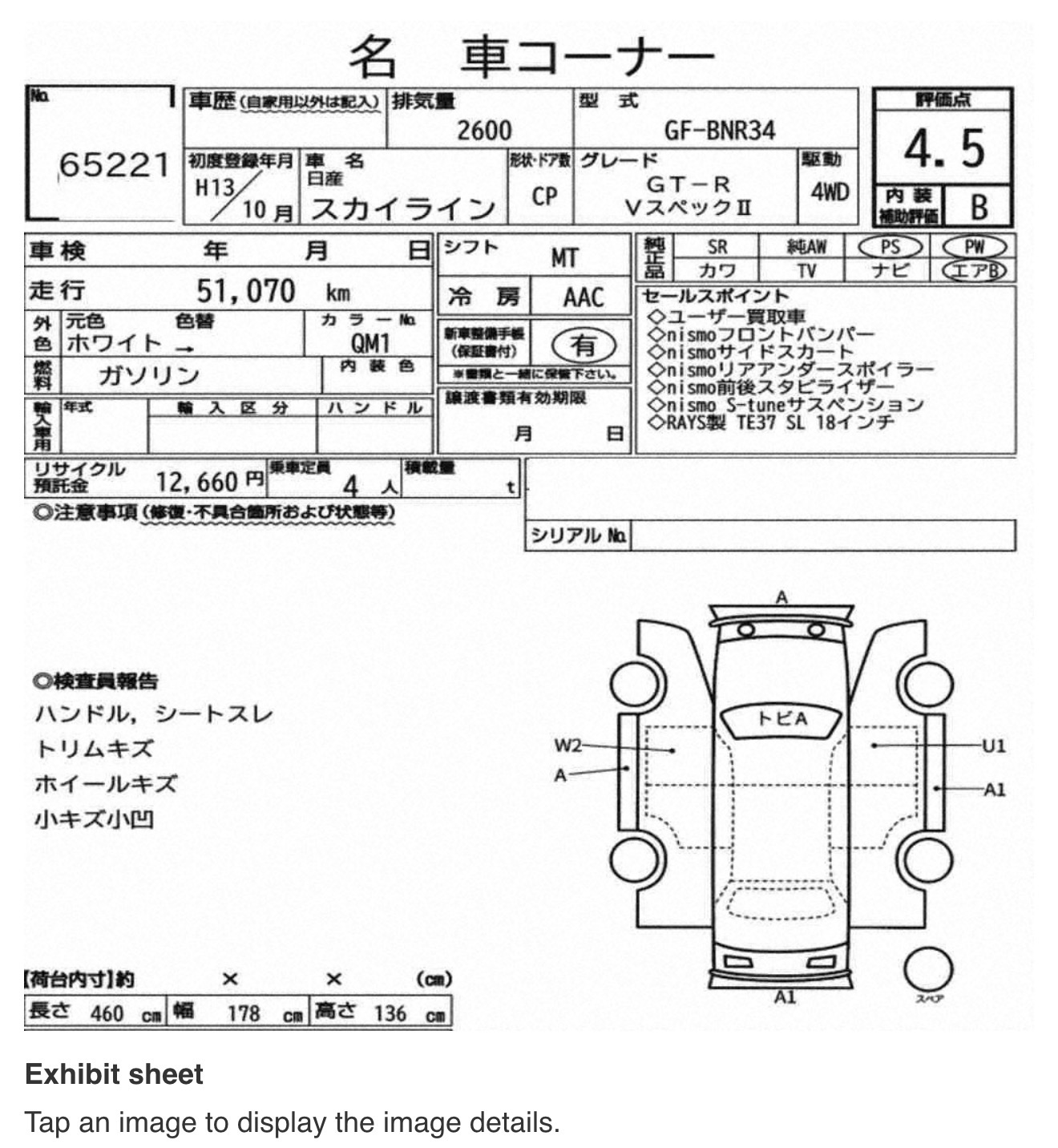
The auction date and full chassis number are not shown in this image. Obtain both and match the original sheet to the vehicle before making a purchase decision.
Find the identity and specification first
Match the sheet to the car’s chassis number and the auction event. A lot number alone is not a permanent vehicle identifier.
| Field on the sheet | Reading in this example | What to understand |
|---|---|---|
| No. / lot | 65221 | The lot reference for this auction entry. |
| 初度登録年月 | H13 / 10: October 2001 | First registration, not proof of the exact manufacture date. |
| 車名 / model | Nissan Skyline | The maker and model recorded on the sheet. |
| グレード / variant | GT-R V-Spec II | Confirm the factory variant against the chassis and original records. |
| 型式 / model code | GF-BNR34 | A Japanese model designation, not the car’s individual chassis number. |
| 走行 / mileage | 51,070 km | The dashboard photo shows 51,066 km. Confirm when each reading was taken and check the mileage history. |
| 排気量 / displacement | 2,600 cc | Engine displacement as entered on the sheet. |
| シフト / 駆動 | MT / 4WD | Manual transmission and four-wheel drive. |
| 外色 / カラーNo. | White / QM1 | The recorded colour and paint code do not establish that every panel retains original paint. |
| 燃料 / 乗車定員 | Petrol / 4 people | The fuel type and seating capacity recorded on the sheet. |
| 冷房 / AAC | Automatic air conditioning | An equipment entry, not confirmation that the system has been function-tested. |
| PS / PW / エアB | Power steering / power windows / airbags | These equipment entries are circled. |
| 車検 / inspection expiry | Not entered | Confirm the current Japanese inspection and registration status separately. |
| リサイクル預託金 | ¥12,660 | A recycling deposit field, not the auction sale price. |
The steering-position field is blank, but the cabin photograph shows right-hand drive. No final sale price is established by this sheet; ask for the auction result or the seller’s quotation separately.
Separate seller descriptions from inspector findings
Inspector report — 検査員報告
ハンドル、シートスレ: wear or rubbing on the steering wheel and seats.
トリムキズ: scratches on the interior trim.
ホイールキズ: scratches on the wheels.
小キズ小凹: minor scratches and small dents.
The damage diagram adds A/A1, U1 and W2 marks, plus a windscreen notation. These need to be read alongside the written report.
Seller’s sales points — セールスポイント
- ユーザー買取車: purchased directly from a private owner/user.
- nismoフロントバンパー: Nismo front bumper.
- nismoサイドスカート: Nismo side skirts.
- nismoリアアンダースポイラー: Nismo rear under-spoiler.
- nismo前後スタビライザー: Nismo front and rear anti-roll bars.
- nismo S-tuneサスペンション: Nismo S-tune suspension.
- RAYS製 TE37 SL 18インチ: RAYS TE37 SL 18-inch wheels.
These sales points are seller statements. “Purchased from a private owner” does not mean one owner from new. Confirm the fitted parts, their condition and any supporting invoices during inspection.
The booklet field is marked 有 (present). The supplied material does not include its entries or the service invoices, so it does not establish a complete maintenance history.
The sheet identifies this car as a V-Spec II. A rear badge in the photographs appears to include “Nür”; a badge alone does not establish a factory Nür model. Confirm the chassis and original specification before relying on that designation.
What do the grades mean?
The following is a broad reading of selected grades from USS’s published inspection rules. The linked edition is dated 2012; confirm the rules in force for your auction. Other auction houses can use different criteria.
| Grade | Broad interpretation |
|---|---|
| 5 | Very good overall presentation, with little reconditioning needed. |
| 4.5 | Minor reconditioning needed to approach grade-5 condition. |
| 4 | Visible wear or defects requiring some attention. |
| 3.5 | Several areas may need bodywork or other reconditioning. |
| R | Structural repair-history category; read the exact findings. |
Interior B broadly indicates that minor interior reconditioning is needed. It is a separate assessment from the overall number. On this R34, the inspector specifically records steering-wheel and seat wear, plus trim scratches.
A numerical grade is not proof of accident-free history, original paint or mechanical health. Read all notes and arrange further checks where needed.
Read the marks in their location
Common notation includes the symbols below. The auction house’s own legend and the written findings take priority; definitions and severity thresholds are not universal.
| Mark | Common use | Follow-up question |
|---|---|---|
| A / A1 | Scratch; A1 commonly indicates a small or light scratch. | Can we get a close-up of the marked area? |
| U / U1 | Dent; U1 commonly indicates a small dent. | How large and deep is it, and is the paint damaged? |
| W / W2 | Repair-finish or paint-waviness notation. The exact W2 threshold depends on the auction’s rules. | What work was done and how visible is the finish? |
| トビA | A stone-chip notation in the windscreen area on this sheet. | Is the glass chipped or cracked, and does it need repair? |
| S / C | Rust / corrosion. | Is it surface corrosion or does it affect the structure? |
| X / XX | Replacement-related notation; XX commonly means a replaced panel. | Check the legend, the panel involved and the reason for replacement. |
On this diagram, W2 points to the door on the left side of the drawing and U1 to the door on the right. A/A1 marks also appear along the sides and at the front and rear ends. トビA is written in the windscreen area. These are diagram positions; confirm the exact panels and defects with close-up photographs.
A W2 mark is a reason to investigate the repair finish. It does not, by itself, establish structural repair history or explain when or why the work was done.
Compare the sheet with the photographs
These are the original supplied auction photographs. Open any image to inspect it at its available resolution. Wide shots help identify the car; they cannot reliably reveal every scratch, paint repair or mechanical issue.
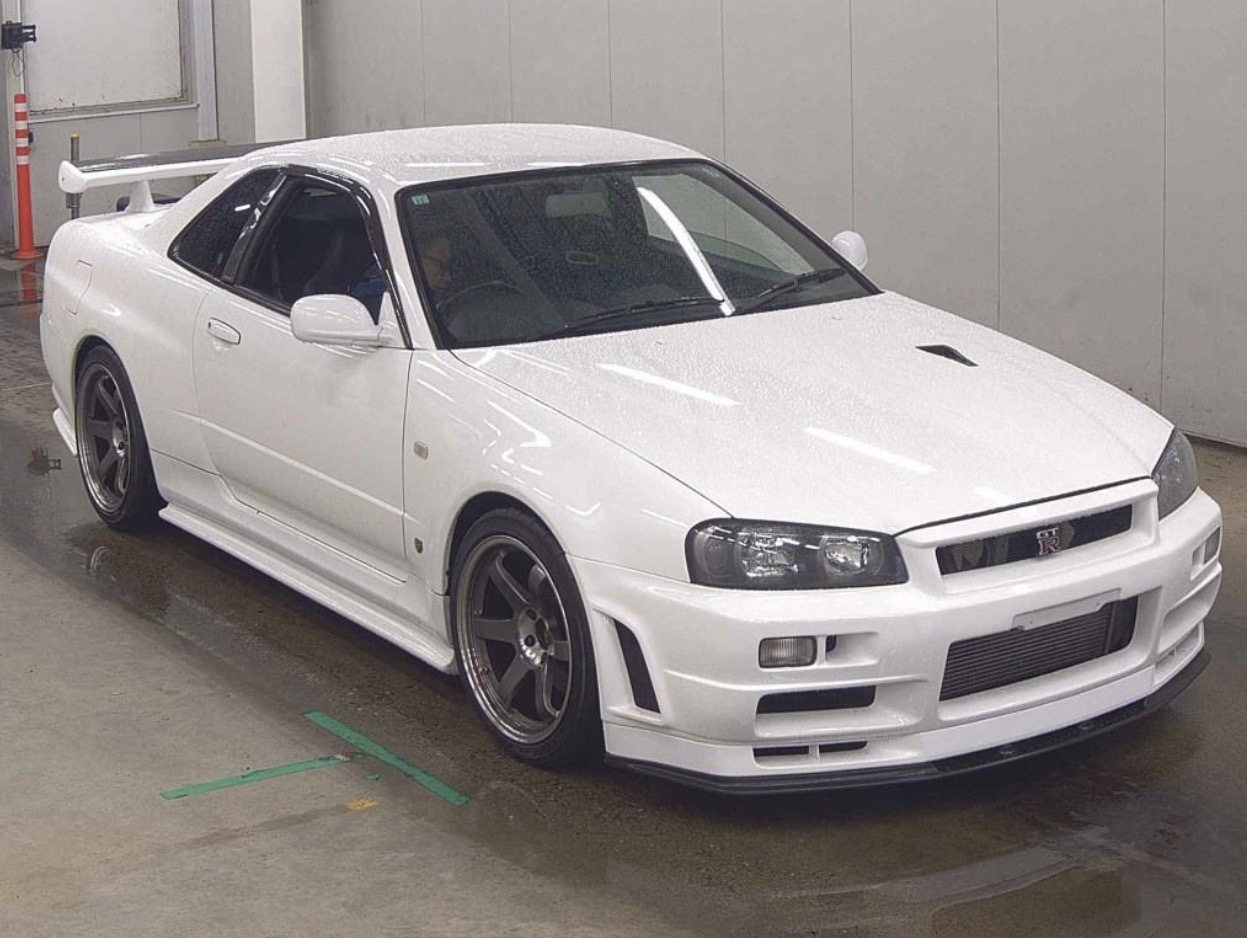
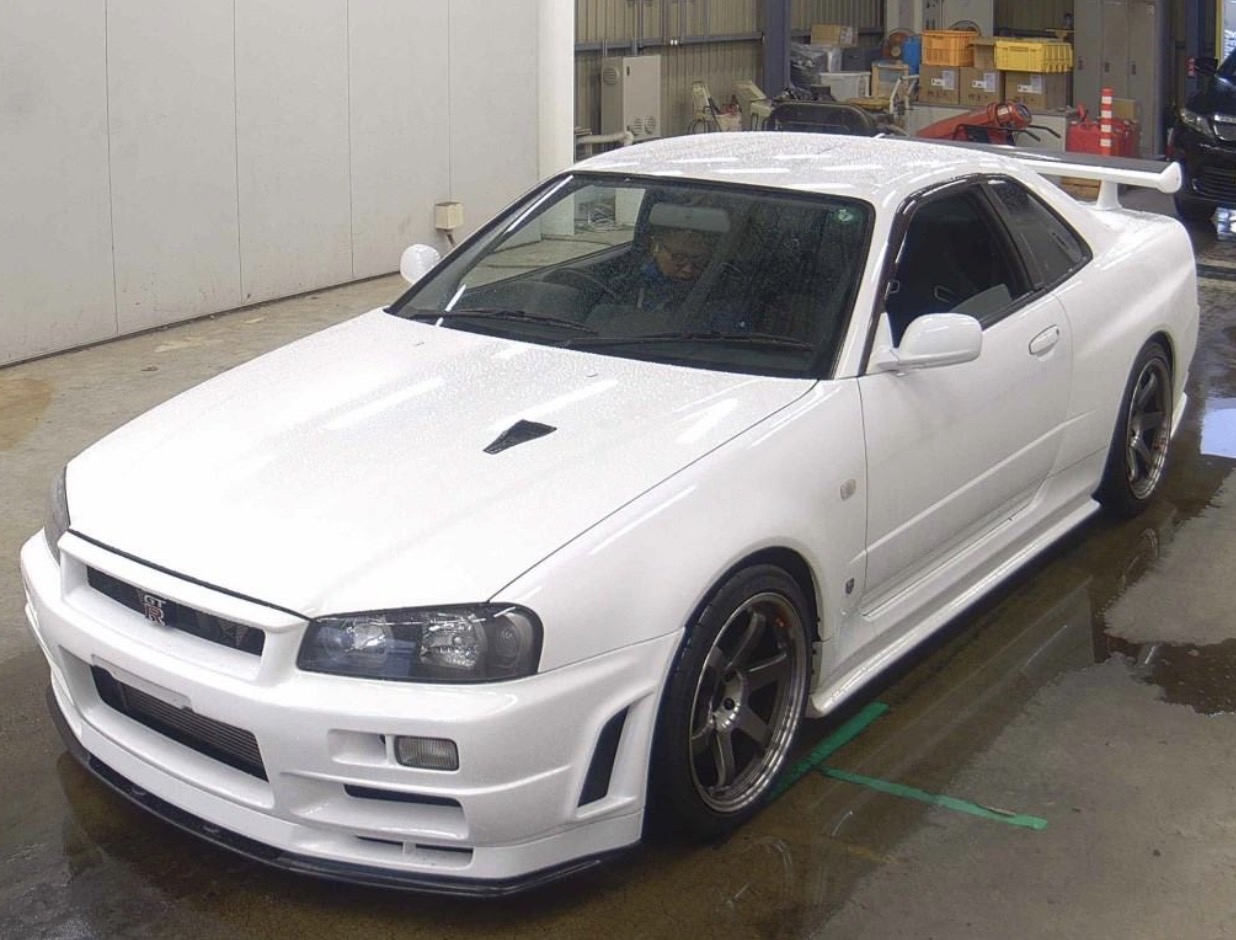
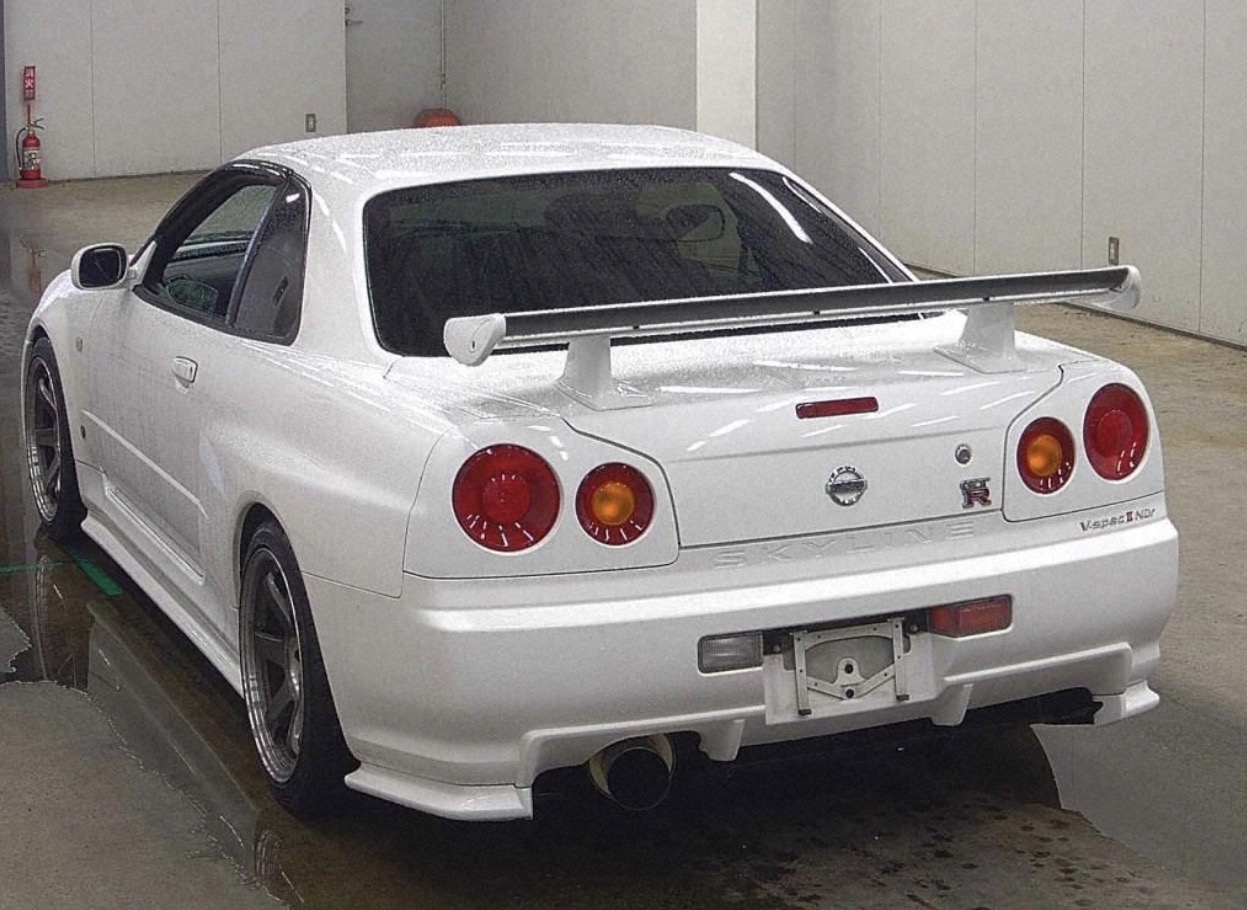
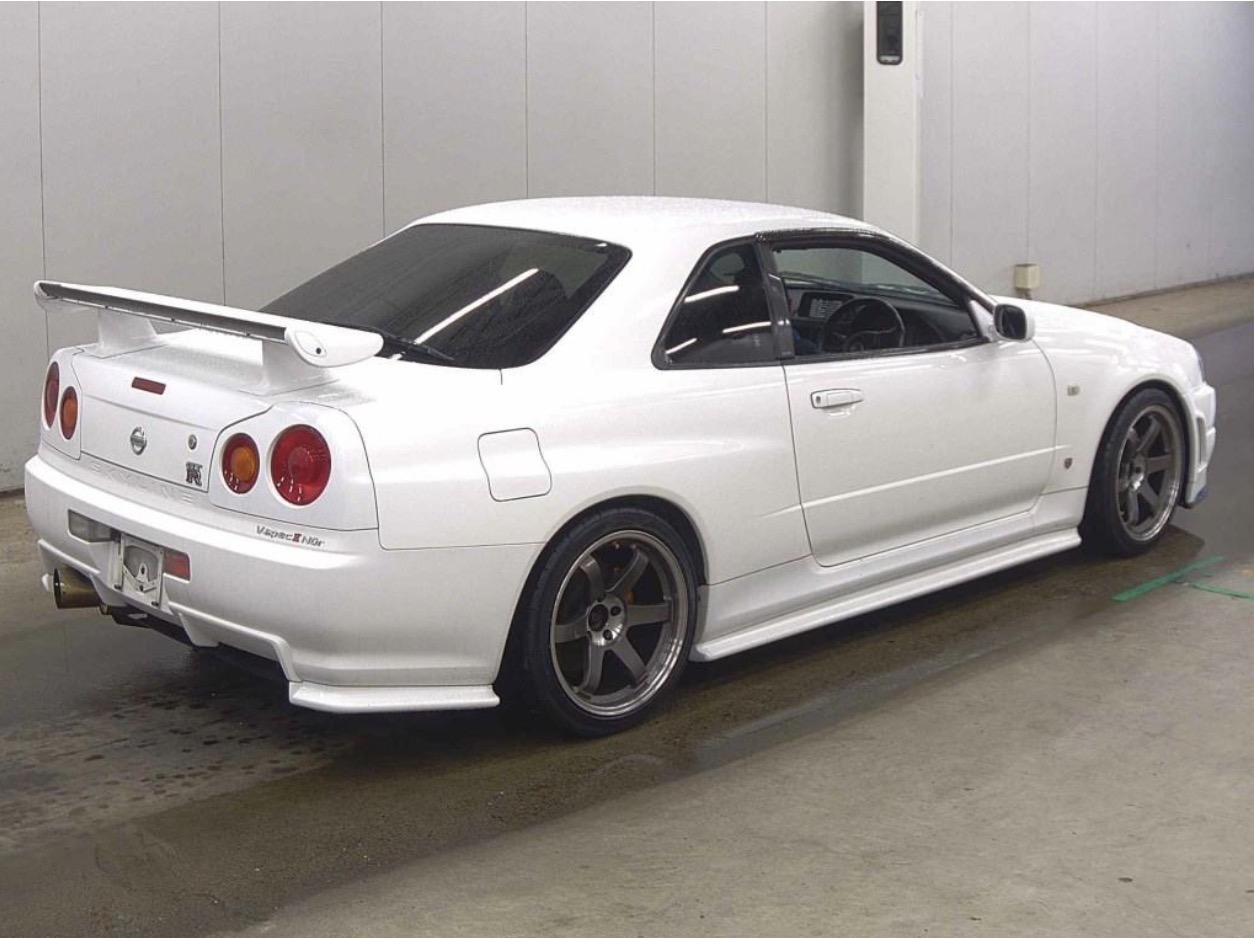
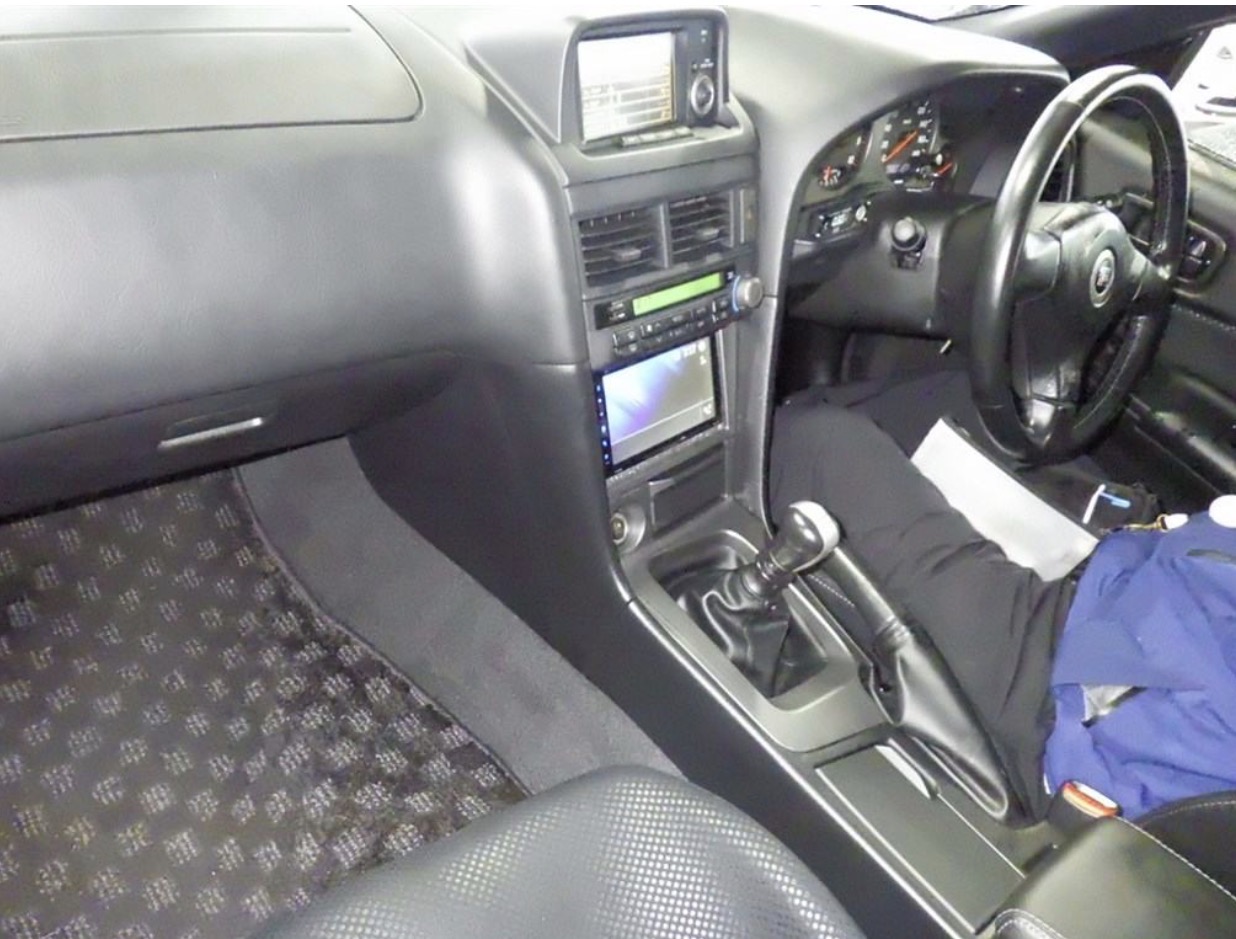
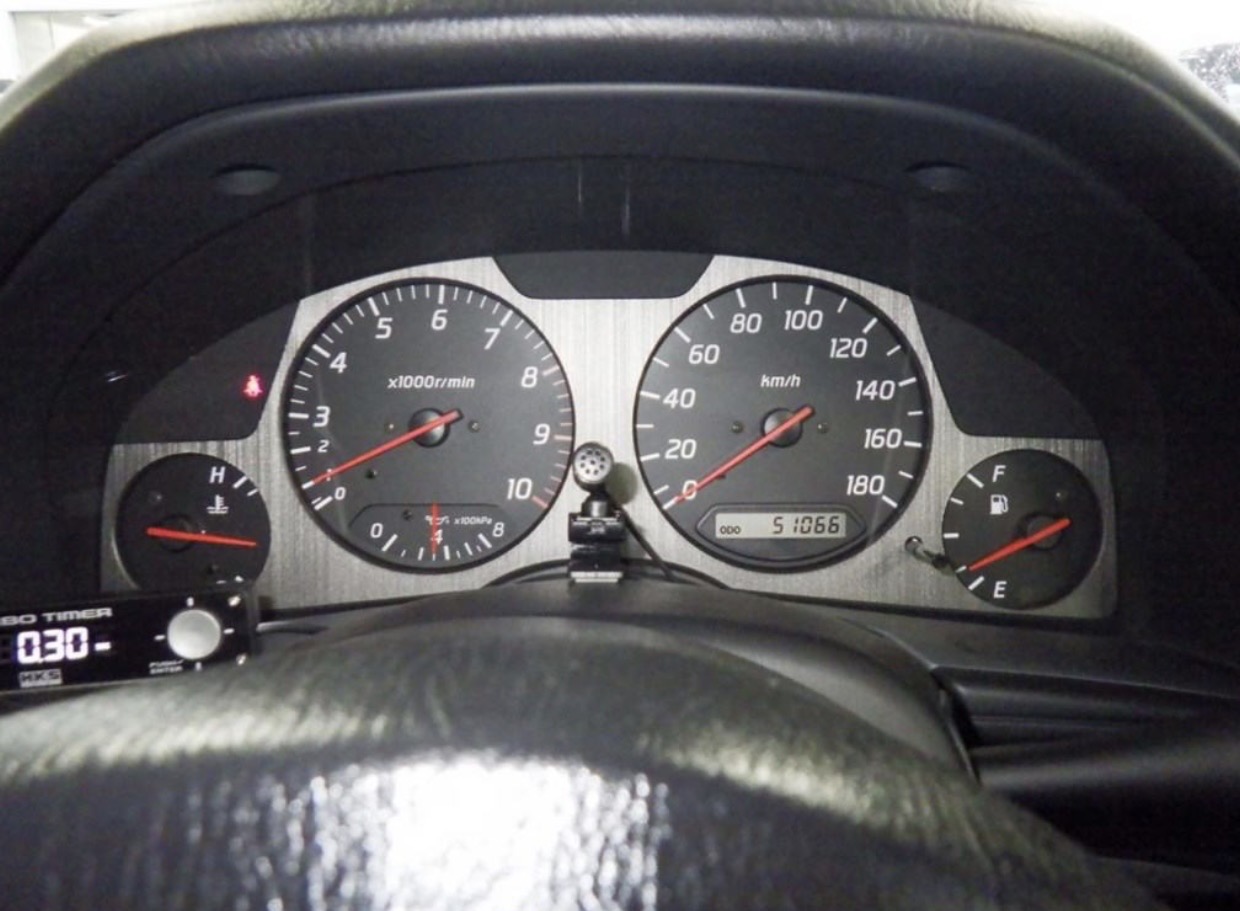
The cabin photograph shows right-hand drive and a manual gear lever. The dashboard photograph reads 51,066 km, while the sheet records 51,070 km: a difference of 4 km. The images do not establish why the readings differ. Confirm the photograph and inspection dates, the current reading and supporting mileage records.
The car is wet in the exterior photographs, and parts of the cabin are covered. Request dry, well-lit bodywork photographs and uncovered seat close-ups to assess the inspector’s findings more clearly.
Before you approve a bid
- Confirm the identity. Match the chassis number, factory variant, auction event and full sheet to the car.
- Read every note. Separate seller claims, inspector findings and unclear text.
- Request missing evidence. Ask for mileage and service records, plus close-ups of damage, repair areas and the underside.
- Agree further checks. Specify the inspection scope, cost and what cannot be checked before the auction.
- Set the total budget. Confirm import eligibility, your bid limit and the fees and transport costs before bidding.